Main Courses
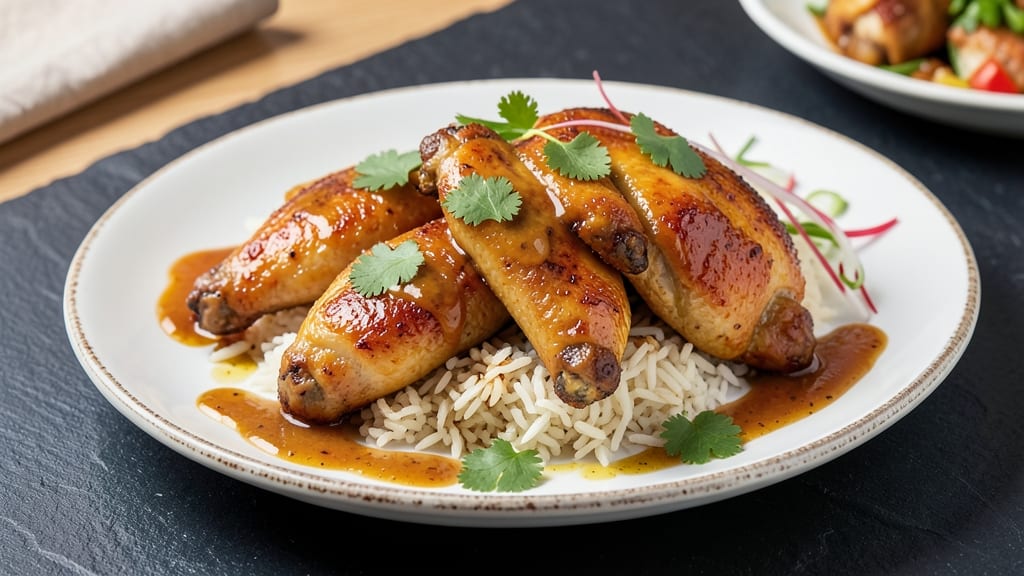
African chicken in peanut sauce transforms a simple weeknight dinner into a vibrant celebration of West African flavors—rich, nutty, and deeply aromatic. This one-pot recipe combines tender chicken with a velvety peanut sauce infused with ginger, garlic, and warm spices, creating a dish that feels both comforting and sophisticated. The secret lies in slow-cooking the sauce to develop its complex, earthy depth while keeping the chicken fork-tender.
The beauty of this recipe is its versatility—it works as a standalone main course or pairs beautifully with fluffy jollof rice, steamed greens, or crusty bread to soak up every last drop of sauce.
The marinade, a blend of peanut butter, tomatoes, and aromatic spices, ensures the chicken absorbs layers of flavor before it even hits the pot. No special equipment is needed, just patience and a few pantry staples.
What you’ll end up with is a dish that’s as satisfying as it is visually striking: golden-brown chicken swimming in a glossy, nutty sauce that balances sweet, spicy, and savory notes.
The aroma alone will draw everyone to the table, and the first bite delivers on that promise of warmth and richness. This is the kind of recipe that turns a simple dinner into a memorable experience.
Perfect for family gatherings, dinner parties, or a cozy night in, this African-inspired dish proves that bold flavors don’t require complicated techniques. Let’s get cooking!
Ingredients for african chicken in peanut sauce
Pantry staples meet West African warmth in this one-pot masterpiece.
| Ingredient | Amount | Notes |
|---|---|---|
| Boneless Chicken Thighs 🍗 | 1 ½ lb | Trimmed of excess fat |
| Natural Peanut Butter 🥜 | ½ cup | Creamy, unsweetened variety |
| Tomato Paste 🍅 | ¼ cup | Squeeze tube preferred |
| Chicken Broth 💧 | 1 cup | Low-sodium preferred |
| Garlic Cloves 🧄 | 6 cloves | Minced for marinade |
| Fresh Ginger 🌿 | 2 tbsp | Grated, peeled root |
| Cayenne Pepper 🌶️ | ½ tsp | Adjust for heat preference |
| Ground Cumin 🌿 | 1 tsp | Toasted for depth |
| Ground Coriander 🍃 | 1 tsp | Freshly ground preferred |
| Smoked Paprika 🌶️ | 1 tsp | For smoky richness |
| Salt 🧂 | 1 ½ tsp | Kosher or sea salt |
| Black Pepper 🌶️ | ½ tsp | Freshly ground |
| Vegetable Oil 🫒 | 2 tbsp | For searing chicken |
| Lemon Juice 🍋 | 1 tbsp | Freshly squeezed |
| Honey 🍯 | 1 tbsp | For balancing heat |
The peanut butter is the heart of this dish—look for natural, unsweetened varieties at stores like Whole Foods or Trader Joe's for the best flavor. The chicken thighs should be bone-in and skin-on for maximum flavor, though boneless works in a pinch. Fresh ginger and garlic are non-negotiable here; the bright, zesty notes cut through the richness of the peanut sauce. For the spices, Penzeys or bulk bins offer the freshest ground options. If you can't find smoked paprika, regular paprika with a pinch of liquid smoke works—just don't tell anyone.
No peanut butter? Smooth almond butter or tahini can substitute at the same amount, though the flavor will shift slightly. Short on cayenne? Red pepper flakes at half the amount will give you heat without overpowering. The tomato paste can be swapped for 1 cup of crushed tomatoes, but you'll lose some of that concentrated umami punch. For extra depth, add a splash of soy sauce (about 1 tbsp)—it's a classic West African trick. If you're serving this with rice, cook it in the same pot after removing the chicken to soak up all that glorious sauce.
This sauce gets better with time—plan ahead and make it a day in advance if possible. Store leftovers in an airtight container for up to 4 days in the fridge, or freeze for 3 months. The sauce thickens as it cools, so add a splash of broth or water when reheating. For serving, garnish with fresh cilantro or parsley if you've got it—just a sprinkle to brighten the dish. The chicken reheats beautifully, though it's best enjoyed fresh when the sauce is at its glossiest.
Why You'll Love This Recipe
- One-Pan Magic: I swear by this recipe because it’s that easy—just chicken thighs, peanut butter, and a splash of broth. No chopping, no fussing, and one pan to clean. Honestly, I make it when I’m too tired to do anything else, and it still tastes like I put in effort.
- Rich, Nutty Depth: That natural peanut butter and tomato paste combo? It’s where this dish gets its soul. The garlic cloves sizzle into something irresistible, and the sauce clings to the chicken like a hug. Between us, the first bite makes me forget about takeout.
- Weeknight & Leftovers: Perfect for when you’ve got friends over or just need dinner fast. The sauce thickens beautifully, so it reheats like a dream—my kids ask for it at school lunches. (Yes, even on a Tuesday night.)
- Budget-Friendly Powerhouse: Chicken thighs and peanut butter stretch this recipe far without breaking the bank. A single batch feeds four, and leftovers taste just as good the next day. I’ll be real: this is my go-to when grocery money’s tight, but no one ever guesses.
Step-by-step instructions for African chicken in peanut sauce
Here's the method for creating a rich, aromatic peanut sauce that clings perfectly to tender chicken.
Sear the Chicken for Maximum Flavor
Heat the 2 tablespoons vegetable oil in a large, heavy-bottomed pot over medium-high heat until shimmering. Pat the 1.5 lb boneless chicken thighs dry with paper towels and season both sides generously with 1 teaspoon salt and 0.25 teaspoon black pepper. This drying step is crucial—it ensures a crispy sear instead of steamed chicken.
Working in batches if needed, add the chicken to the pot and cook undisturbed for 4-5 minutes per side until the skin develops a deep golden-brown crust and the internal temperature reaches 160°F. The chicken should release easily from the pan when ready to flip. Transfer the seared chicken to a plate and set aside, leaving all the rendered juices in the pot—these will form the sauce's foundation.
Build the Aromatic Base
Reduce the heat to medium and add the 6 cloves minced garlic cloves and 2 tablespoons grated fresh ginger to the same pot. Sauté for 1-2 minutes until the garlic becomes fragrant and the ginger loses its raw bite. You'll know it's ready when the mixture smells intensely aromatic—this is where the sauce's depth begins.
Next, stir in the 1 teaspoon ground cumin, 1 teaspoon ground coriander, 1 teaspoon smoked paprika, and 0.5 teaspoon cayenne pepper. Toast the spices for 30 seconds while stirring constantly—this activates their flavors and prevents a raw, bitter taste. The spices should darken slightly and fill your kitchen with a warm, earthy aroma.
Develop the Sauce with Tomato and Peanut
Add the 0.25 cup tomato paste and stir vigorously to scrape up any browned bits from the bottom of the pot. This deglazing step captures all the flavor you've built so far. Cook for 2 minutes until the tomato paste darkens and begins to caramelize slightly.
Pour in the 1 cup chicken broth and bring the mixture to a gentle simmer. Stir in the 0.5 cup natural peanut butter and 1 tablespoon honey, whisking until the peanut butter melts completely and the sauce becomes smooth. If the sauce thickens too much, add 1-2 tablespoons water to reach your desired consistency—it should coat the back of a spoon but still be pourable.
Finish with Acid and Chicken
Return the seared chicken to the pot, spooning the sauce over the top to coat evenly. Add the 1 tablespoon lemon juice and bring the mixture to a gentle simmer. Cover the pot and cook for 15-20 minutes on low heat, stirring occasionally, until the chicken is fully cooked through and tender. The sauce should thicken slightly as it reduces, becoming rich and glossy.
Check for doneness by piercing the thickest piece of chicken—it should reach 175°F internally and pull apart easily with a fork. If the sauce is too thick, thin it with a splash of chicken broth or water. Taste and adjust seasoning with additional salt or cayenne pepper if needed. The final sauce should balance nutty richness with bright acidity and subtle heat.
Pro Tips For Making African Chicken In Peanut Sauce
- SEAR THE CHICKEN FIRST: Skip the slow start—get your chicken thighs in a screaming-hot pan with oil for 3-4 minutes per side until deep golden. I used to rush this, and the sauce would never cling properly. That crust? It’s what makes the peanut sauce stick like glue.
- WHISK THE PEANUT BUTTER: Don’t just dump that peanut butter in chunks—mix it with a splash of broth or water first, then whisk it into the sauce. After burning three batches, I finally figured out that smooth peanut butter = silky sauce, not peanut butter blobs. (Yes, even if you’re impatient like me.)
- LOW AND SLOW FOR THE SAUCE: Once the peanut butter’s incorporated, drop the heat to a simmer and let it bubble gently for at least 15 minutes. Rushing this step turns your sauce into peanut butter soup. My grandmother swore by this, and she was right: patience here means flavor.
- GARLIC: CRUSH, DON’T CHOP: Smash those garlic cloves with the flat side of your knife before cooking—no need to mince. The crushed cloves infuse faster and add a deeper punch without burning. I was skeptical until I tried it; now I won’t go back. (Your future self will thank you.)
Dietary considerations for these flavors
Peanut-Free Adaptations
If you need to avoid peanuts due to allergies or preferences, smooth almond butter or tahini work beautifully as substitutes. Use the same 0.5 cup measurement, but note that almond butter will give a slightly lighter texture while tahini adds a deeper, sesame-forward flavor.
For a neutral alternative, sunflower seed butter (unsweetened) mimics the creaminess without the nutty depth. 🥜
Gluten-Free Considerations
This recipe is naturally gluten-free, but always double-check your ingredients. The natural peanut butter should be certified gluten-free, and the chicken broth must not contain wheat-based additives. For extra caution, use a dedicated gluten-free soy sauce (if adding) and ensure your spices are processed in a gluten-free facility.
The tomato paste and honey are universally safe. ✨
Vegetarian or Vegan Options
Swap the chicken for extra-firm tofu or chickpeas to make this dish vegetarian. Press and pan-fry tofu cubes until golden, then proceed with the same sauce method. For vegan, use vegan peanut butter and ensure your broth is plant-based.
The sauce itself remains rich and satisfying—just add a pinch of nutritional yeast for an umami boost. 🌱
Lower-Carb Modifications
Skip the rice and serve the chicken over cauliflower rice or a bed of steamed greens like collards or kale. The sauce pairs wonderfully with roasted zucchini noodles or cucumber slices for a refreshing contrast. For extra protein, add grilled shrimp or pan-seared mushrooms alongside the chicken. 🥦
Spice Sensitivity Adjustments
Reduce the cayenne pepper to ¼ teaspoon or omit it entirely for a milder version. Balance the heat with an extra ½ teaspoon honey or 1 teaspoon maple syrup to counteract any lingering spice.
If you love heat but want depth, add ½ teaspoon ground cardamom—it enhances the peanut flavor without overpowering. 🌶️
Nutrition facts
Frequently asked questions
Can I use chicken breasts instead of thighs?
Chicken breasts will work, but thighs are ideal for this dish because they stay tender and juicy during the long cooking time. If using breasts, cut them into smaller pieces (1-inch cubes) and reduce cooking time to 10-12 minutes after adding them to the sauce. They tend to dry out more easily, so keep a close eye on them.
How do I make the sauce thicker or thinner?
For a thicker sauce, simmer uncovered for 5-10 extra minutes to reduce it naturally. If it's too thick, whisk in 1-2 tablespoons chicken broth or water at a time until smooth. For extra richness, stir in 1 teaspoon cornstarch mixed with 1 tablespoon water and simmer for 2 minutes. The perfect consistency should coat the back of a spoon but still be pourable.
What's the best way to store leftovers?
Store leftovers in an airtight container in the fridge for up to 4 days. The sauce will thicken as it cools, so add a splash of broth when reheating. For longer storage, freeze for 3 months—thaw overnight in the fridge and reheat gently on low heat, stirring occasionally to prevent separation. The chicken reheats beautifully, though the sauce is best enjoyed fresh.
Can I prepare this dish ahead of time?
This dish actually tastes better the next day as flavors meld. Make the sauce up to 24 hours ahead, store it in the fridge, and reheat gently before adding the chicken. For a full head start, marinate the chicken in the sauce mixture (without cooking) for 4-6 hours in the fridge—this infuses it with maximum flavor. Just cook the chicken through when ready to serve.
What are the best sides to serve with this?
Classic pairings include fluffy jollof rice or steamed white rice to soak up the sauce. For a heartier meal, add fried plantains or roasted yams. Light sides like steamed greens (collards or spinach) or a simple cucumber salad balance the richness. Don't forget crusty bread to mop up every last drop!